
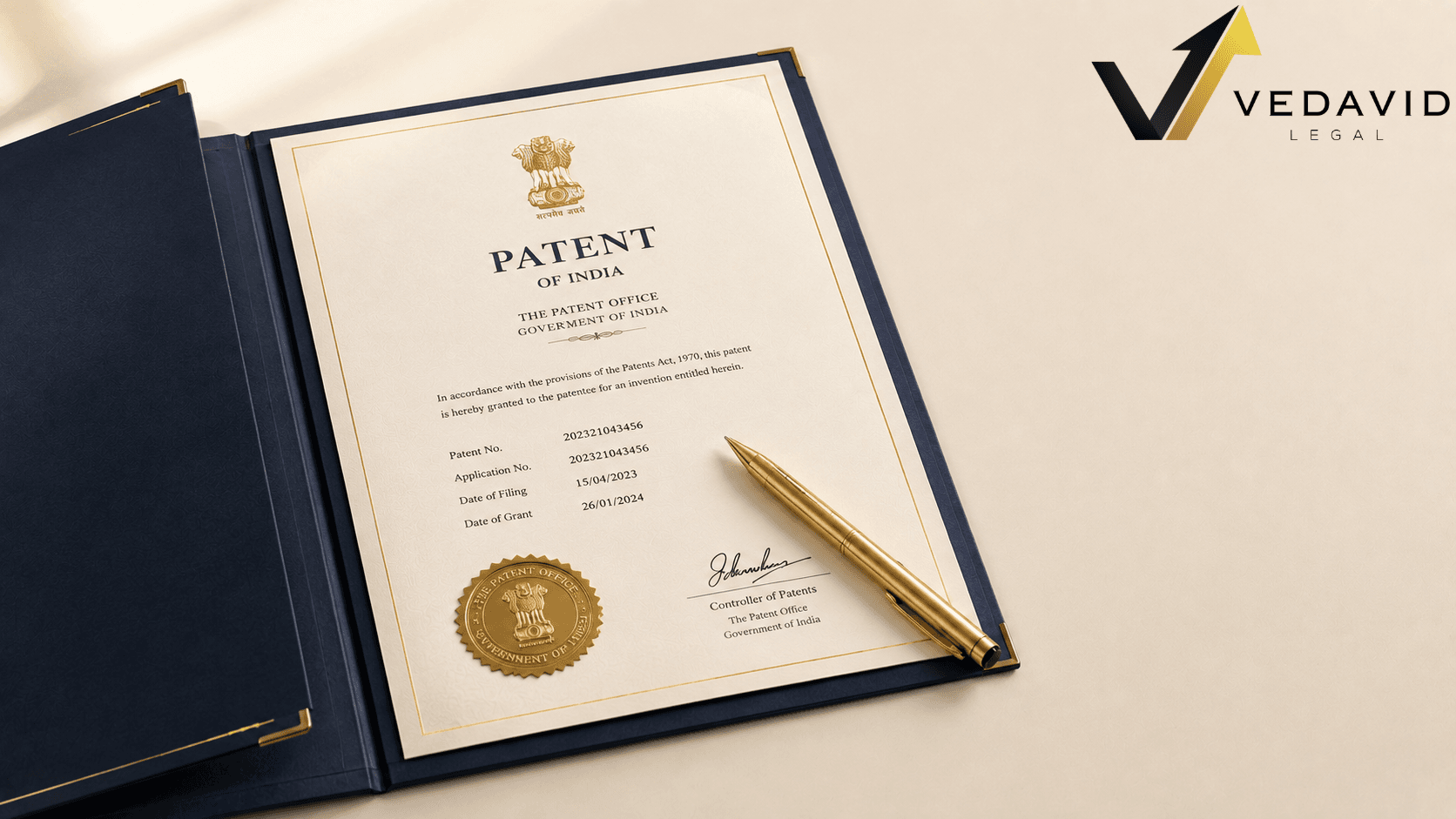
Innovation is at the heart of every growing business. But what protects that innovation? A patent. For inventors, entrepreneurs, and businesses in India, understanding the types of patent applications in India is the first step toward securing intellectual property rights. This guide breaks down everything you need to know simply and clearly.
What is a Patent?
A patent is a legal right granted to an inventor that prevents others from making, using, or selling the invention without permission. In India, patents are governed by the Patents Act, 1970, and administered by the Indian Patent Office.
Types of Patent Applications in India:
The patent application process and filing procedure in India begins with identifying the right type of application. Here is an overview:
| Type | What It Covers | Best Suited For |
|---|---|---|
| Provisional Application | Secures a priority date while the invention is still being developed | Inventors at an early stage of development |
| Complete Application | Full disclosure of the invention with claims, description, and drawings | Inventors with a fully developed invention |
| Convention Application | Filed in India claiming priority from a foreign application | Inventors who have already filed in another country |
| PCT Application | Single application covering multiple countries under the Patent Cooperation Treaty | Businesses seeking international patent protection |
| Divisional Application | Filed when an original application covers more than one invention | Applicants with complex, multi-invention filings |
Provisional vs. Complete Patent Application:
Understanding the difference between a provisional and a complete patent application in India is crucial for any inventor:
- Provisional Application: This is filed when the invention is still in development. It secures your priority date & giving you 12 months to file a complete application. It does not result in a patent on its own.
- Complete Application: This contains the full details of the invention & claims, abstract, description, and drawings wherever applicable. This is what ultimately leads to a granted patent.
Patent Registration for Startups in India:
For startups, patent registration for startups in India comes with certain advantages. DPIIT-recognised startups may be eligible for an 80% rebate on official filing fees, expedited examination, and facilitated processing & making early-stage patent filing more accessible than ever.
Overview of the Filing Procedure:
The general patent filing procedure in India involves the following stages:
- Identifying the type of application suitable for the invention
- Preparing the patent specification, provisional or complete
- Filing the application with the Indian Patent Office
- Publication of the application (typically after 18 months)
- Request for examination
- Response to examination report, if applicable
- Grant of patent, subject to examination and applicable procedures
For those unfamiliar with the process, patent filing assistance in India may be available through qualified professionals who can assist with documentation, application preparation, and procedural requirements, subject to applicable regulations.
Frequently Asked Questions:
1. Can I file a patent application on my own in India?
Yes, an inventor may file a patent application directly with the Indian Patent Office. However, given the technical and procedural requirements involved, process-related assistance from a qualified professional may be beneficial.
2. How long is a patent valid in India?
A granted patent in India is generally valid for 20 years from the date of filing, subject to payment of annual renewal fees and applicable conditions under the Patents Act, 1970.
3. What is the difference between a patent and a trademark?
A patent protects an invention or innovation, while a trademark protects a brand name, logo, or symbol. Both are forms of intellectual property protection but serve different purposes and are governed by separate laws.
4. Is a provisional patent application sufficient to protect my invention?
A provisional application secures a priority date but does not result in a granted patent. A complete application must be filed within 12 months of the provisional filing to proceed with the patent process.
Disclaimer:
This blog is for general informational purposes only and does not constitute legal advice. For matter-specific guidance, kindly consult a qualified legal professional.